
Affordable Appointment Scheduler Tools Suitable for Healthcare Providers
Discover simple and reliable medical appointment scheduler software tools that help clinics reduce no-shows and give patients an easier way to book.
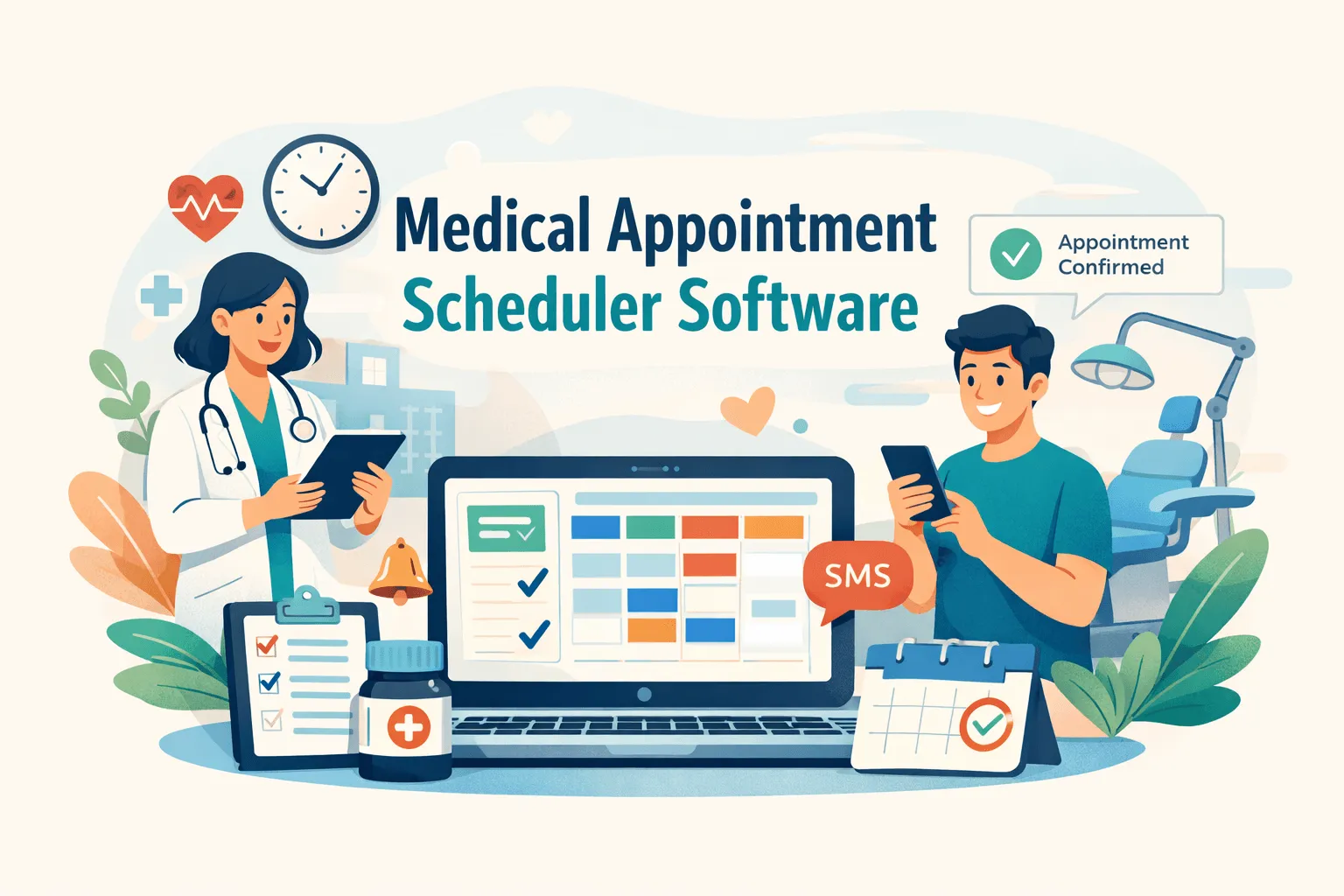
Affordable appointment scheduler tools are no longer a nice-to-have. They are the infrastructure of modern care, especially for small to mid-sized practices that want efficiency without corporate-sized budgets. In healthcare, where patients expect speed, clarity, and digital ease, the right health appointment system can feel like good bedside manner translated into software.
Why Scheduling Deserves More Respect Than It Gets
Scheduling is often treated as admin work — something practical, something invisible. But every missed appointment, double booking, or endless follow-up call chips away at trust. Patients remember friction, in the same way they also remember relief.
Medical appointment scheduler software does more than fill slots on a calendar. It shapes patient flow, staff workload, and the emotional temperature of a clinic. When appointments are clear, reminders are automatic, and rescheduling is simple, everyone breathes easier.
That sense of readiness now starts even before a patient arrives. Customisable booking and intake forms allow clinics to collect patient details and consent information ahead of time, reducing paperwork at the front desk and shortening waiting times. Things move along more naturally.
Challenges of Appointment Scheduling
Scheduling patient appointments sounds straightforward, but in practice, it involves navigating a number of operational and logistical challenges that directly affect patient experience and clinic efficiency:
1. Variability in Service and Demand
Patients don’t always arrive on time, and the time needed for each consultation can differ widely. These unpredictable variations make it difficult to set fixed schedules that avoid long waits without leaving clinicians idle.
2. Balancing Wait Time vs. Utilization
Clinics try to minimize patient waiting time (which affects satisfaction) while also keeping clinicians and facilities productively booked. Overbooking reduces idle time but increases wait times; underbooking does the opposite. Finding a balance is inherently complex.
3. Difference Between Theory and Practice
Academic scheduling models often assume predictable patterns and limited variability. In real-world clinical contexts, there are many “unknowns” — people change or cancel last minute, late arrivals, and emergency walk-ins — that rigid models don’t handle well.
4. Process Complexity and Customization
Clinics rarely have one-size-fits-all appointment flows. Some patients need longer visits; others require specialised equipment or multiple practitioners. These nuances make it hard to use simple scheduling rules effectively.
5. Human and System Constraints
Scheduling staff, patient preferences, and available technology all play a role. Limited IT infrastructure or staff familiarity with digital tools can make implementation of advanced scheduling policies slower or less effective.
What Makes an Appointment Scheduler Affordable, Not Just Cheap
For healthcare providers juggling clinical work and operations, affordability matters. Not every clinic needs a sprawling hospital management system. Many need something lighter, smarter, and kind to cash flow.
But affordable does not mean bare-bones. It means value that scales with real needs. A good doctor appointment booking system should reduce labor, not add steps. It should integrate smoothly into existing workflows. It should feel intuitive on day one, not after three weeks of training videos.
Here are features that tend to matter most for healthcare providers:
-
Mobile-friendly patient self-booking so patients can book anytime, anywhere
-
Easy rescheduling and cancellations to reduce back-and-forth with staff
-
Automated reminders (SMS, email, WhatsApp) to cut down no-shows and late cancellations
-
Multi-practitioner and multi-service support for clinics with multiple providers
-
Basic reporting to track patient flow and appointment trends
A Health Appointment System Clinics Can Actually Use
The healthcare landscape is diverse. Dental clinics, solo GPs, specialist outpatient clinics, and allied health providers all operate under different pressures. A health appointment system needs to align with local expectations. Patients today are digitally fluent. They expect speed and clear instructions.
Affordable scheduling tools designed for this market often focus on simplicity and reliability rather than endless customization. They integrate with payment platforms, support local SMS gateways, and comply with data privacy standards. Not glamorous, but essential.
Many clinics find that cloud-based systems strike the right balance. No heavy upfront infrastructure. To make an appointment, just log in, configure, and start booking.
Data Privacy, Trust, and Compliance
Speaking of data privacy, software is never just software. In healthcare, it holds names, schedules, medical intentions, and plenty more information. Even before diagnosis, data already carries weight. That is why any medical appointment scheduler software must treat privacy as posture, not an afterthought.
For clinics everywhere, using a health appointment system designed with data protection in mind helps build trust from the first interaction. Patients may not read privacy policies, but they naturally feel reassured when their personal information is protected and managed according to recognised data-protection standards.
Many cost-effective doctor appointment booking systems and clinic management software platforms like BooknGo now include encryption, role-based access, and secure cloud hosting as standard. Even lightweight dental scheduling software understands that confidentiality is part of care.
Why Dental Online Scheduling Needs Its Own System
Now, unlike general medical bookings, dental clinics live by precision. Here are some reasons why it needs a different system:
Procedure-led timing
Dental appointments are not interchangeable. A routine cleaning, a filling, and a root canal each demand different time blocks, pacing, and preparation. The schedule has to think clinically, not just chronologically.
Chair and equipment awareness
Dental clinics run on physical resources. Chairs, tools, and rooms matter. Good dental scheduling software accounts for availability so one procedure does not sabotage another.
Practitioner specialization
Not every dentist does every procedure. The system needs to match skills to services, automatically and accurately.
Enterprise-level features, smaller price tags
Affordable dental scheduling software now includes calendar sync, treatment-based durations, and patient history visibility. Features once locked behind expensive platforms are now part of help resources and everyday practice.
Online booking that protects revenue
Not every appointment request should be booked via phone call, by reducing phone traffic and preventing last-minute gaps, dental online scheduling becomes a stabilizer for clinic income and daily flow.
Clinic Management Software That Grows With You
Many appointment schedulers are gateways to broader clinic management software. The key is choosing a tool that does not force you to adopt everything at once.
Small clinics often start with scheduling and reminders. Later, they add more details like patient records, billing, or inventory modules. Affordable systems allow this gradual expansion. You pay for what you use, when you need it. This modular approach is especially useful for new practices or growing clinics.
Billing, in particular, benefits from automation. Invoices for consultations, sessions, and treatment packages are generated automatically, which reduces administrative load and the risk of manual errors. For clinics offering bundled services or recurring sessions, this brings welcome clarity.
Doctor appointment booking system and patient psychology
Patients do not think in software terms. They think in feelings. Can I book without calling? Will I get a reminder? Can I change my appointment without embarrassment? A well-designed doctor appointment booking system lowers psychological barriers. It makes care feel accessible. It respects privacy and time. For clinics, this translates to fewer missed appointments and better attendance consistency.
Payment is very much part of this experience too. Patients can feel stressed or awkward if billing isn’t clear, especially when extra charges or add-on services pop up unexpectedly. With BooknGo, clinics can handle online payments and admin-added charges seamlessly, so any adjustments are reflected instantly without putting patients on the spot. This makes the process simple and reassuring, helping patients leave feeling confident and in control.
Affordable tools increasingly focus on patient-facing design. A clean interface to easily book an appointment, clear confirmations and no confusing steps because trust starts before the consultation.
Hospital Management System vs. Lightweight Schedulers
Large hospitals often require comprehensive hospital management systems. These platforms handle everything from bed management to lab integration. They are powerful, complex, and expensive.
Smaller healthcare providers rarely need that level of control. Lightweight appointment schedulers offer a focused alternative. They handle the front door of care without dragging in the entire building.
For community clinics, dental practices, and specialist centers, choosing a standalone scheduler or a simplified clinic management software makes financial and operational sense. Use what fits your hands.
Cost-Saving Benefits Beyond the Subscription Fee
Affordable appointment schedulers save money in subtle ways. Fewer no-shows mean better revenue predictability. Reduced phone calls free up staff time. Clear schedules prevent overtime and burnout.
Where labour costs are high and patient expectations are sharp, these savings compound quickly. The software pays for itself not through flashy features, but through quieter days that run on time.
Some tools also provide basic analytics like peak hours, popular services, and cancellation patterns. These insights help clinics adjust staffing and offerings without guesswork.
Implementing an Appointment Scheduler in Your Practice
When implementing a health appointment system for your medical institution, the smoothness of the implementation process directly impacts subsequent operational efficiency and patient experience.
First, assess your clinic’s actual needs: daily appointment volume, physician and nurse scheduling, presence of multiple clinic types or specialist outpatient clinics, etc. When selecting appointment scheduling software, prioritize features like multi-channel booking (online, phone, walk-ins), automated reminders, group bookings, and calendar syncing. This enables patients to easily book or make appointments through various methods.
During implementation, a phased approach is recommended. Begin with basic appointment and reminder functions, then gradually integrate additional modules like patient health information management, billing, or inventory once the team is familiar with the system. Prioritize software usability and localization support, such as multilingual capabilities and seamless integration with existing practice management systems.
With a well-planned implementation strategy, you can significantly enhance scheduling efficiency, reduce no-shows, and optimize the patient experience.
Choosing the Right Tool for Your Practice
Having said all these, there is no universal best system to manage your clinic. There is only the best fit.
A dental clinic prioritising dental online scheduling will look for different features than a multi-doctor GP practice. A specialist clinic may value referral tracking. An allied health provider may need recurring appointment support.
When evaluating affordable options, ask practical questions:
-
Will my patients find this easy to use?
-
How do I train my staff to use it? Can my staff learn this quickly?
-
Does it support my specific services?
-
Will payments be easier to check and manage?
-
Is support responsive when something breaks?
Scheduling will never be glamorous. It will never headline medical breakthroughs. But it will continue to shape daily care in profound ways.
Affordable appointment scheduler tools are leveling the field. Small clinics can now offer digital experiences that rival larger institutions. Patients gain control. Providers regain time.
In the end, good scheduling is an act of care. It says, your time matters. Your visit is expected. Your place is ready.
And in healthcare, that message is everything.
Ready to Simplify Appointment Scheduling?
If scheduling is quietly draining your time, staff energy, or patient goodwill, it may be time to switch to a system built for how clinics actually operate today.
Try BooknGo and see how clear bookings, automatic reminders, and patient-friendly scheduling can ease daily operations without adding complexity or heavy costs.
Frequently asked questions
What makes an appointment scheduler affordable rather than just cheap?
Affordable means value that scales with real needs, not bare-bones. A good system reduces labour rather than adding steps, integrates into existing workflows, and feels intuitive on day one. Key features include mobile self-booking, easy rescheduling, automated reminders, multi-practitioner support, and basic reporting.
Why does dental online scheduling need its own system?
Dental clinics run on precision. Cleanings, fillings, and root canals each need different time blocks, so scheduling must think clinically. The system must also track chair and equipment availability and match practitioner specialisations to services, since not every dentist performs every procedure.
How do appointment schedulers handle data privacy and compliance?
Any medical scheduler must treat privacy as posture, not an afterthought, since it holds names, schedules, and medical intentions. Many cost-effective platforms now include encryption, role-based access, and secure cloud hosting as standard, helping clinics build patient trust from the first interaction.
When should a clinic choose a lightweight scheduler over a hospital management system?
Large hospitals need comprehensive systems handling everything from bed management to lab integration — powerful but complex and expensive. For community clinics, dental practices, and specialist centres, a standalone scheduler or simplified clinic-management software makes more financial and operational sense.
How should a clinic implement a new appointment scheduler?
Assess actual needs first — daily volume, staff scheduling, clinic types. Prioritise multi-channel booking, automated reminders, and calendar syncing. Use a phased approach: begin with basic appointment and reminder functions, then add modules like patient records or billing once the team is comfortable.
Related articles
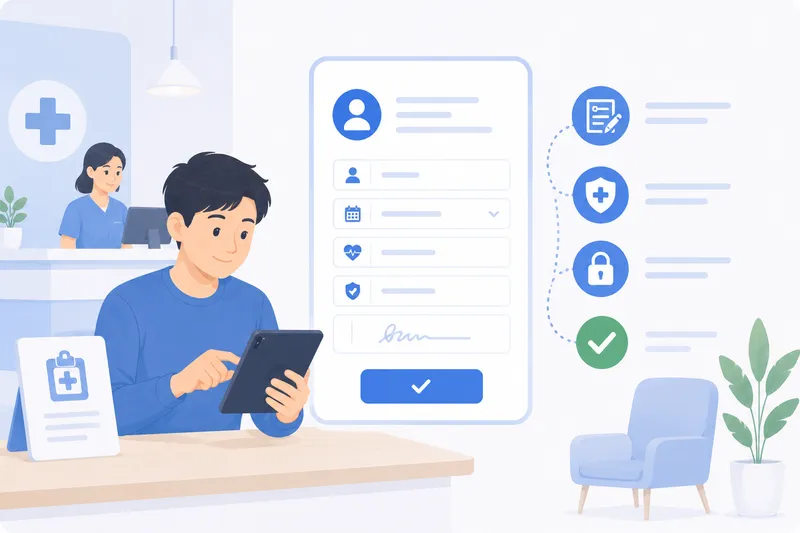
Patient Intake Forms That Save Your Front Desk Hours
Move patient intake online and capture it at booking to cut front-desk workload, shorten queues, and reduce transcription errors — without losing privacy.
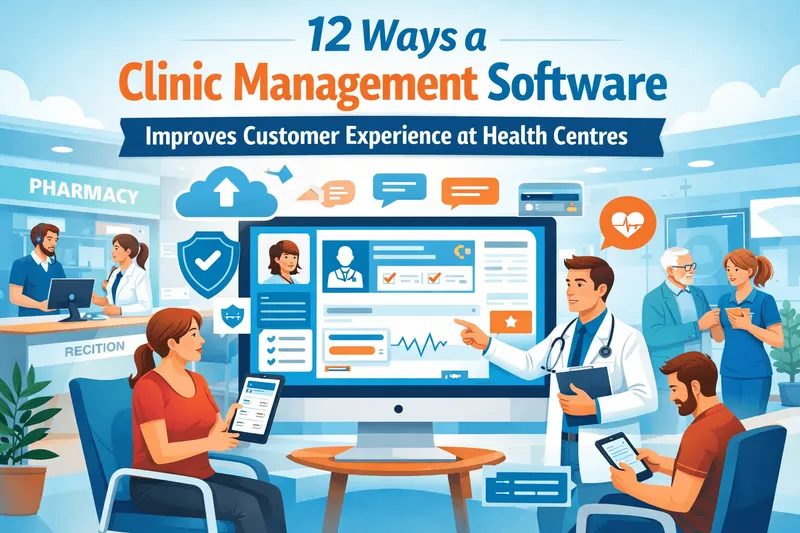
12 Ways a Clinic Management Software Improves Customer Experience at Health Centres
Improve patient experience with clinic management software. Discover 12 ways online booking reduces wait times and streamlines health centre appointments.
Fewer no-shows. Patient data secure.
See how clinics and practices cut no-shows with automated reminders and keep patient data secure and compliant on BooknGo.